Shrimp
Cooked shrimp! Raw shrimp! Bacon-wrapped shrimp! Shrimp cocktail! Cooked or raw, you won't want to stop eating these delicious crustaceans. Shrimp is the most popular seafood in America, harvested in hundreds of species from salt water around the world, and a little label literacy goes a long way.
Reading the Count
Shrimp are sized by count per pound. A 16/20 shrimp runs sixteen to twenty per pound — jumbos, two-bite shrimp built for cocktail platters. 26/30 is the versatile mid-size for scampi and stir-fries; 30/40 is the classic cocktail size. A "U" means "under": U15 shrimp are so large that fewer than fifteen make a pound — colossal, almost lobster-like, and stunning butterflied on a grill. Tiger shrimp at 8/10 count are the showstoppers of the category.
Cooked or Raw? Shell-On or Off?
Cooked, peeled and deveined shrimp are the entertainer's friend: thaw, arrange, serve — they were hand cleaned, cooked and individually quick frozen at peak freshness, so the work is already done well. Raw shell-off shrimp are for the cook: they take marinades and sauté heat directly. Raw shell-on shrimp trade convenience for flavor — the shell shields the meat from heat and adds depth, which is why grill masters and gumbo cooks insist on them. Whatever the form, thaw under cold water in minutes, never warm, and cook only until the flesh turns pink and opaque in a loose C-shape; a shrimp curled into a tight O has gone a minute too far.
Deveining, Demystified
The dark line along a shrimp's back is its digestive tract — harmless, but gritty in larger shrimp. A shallow cut along the curve with a paring knife lifts it out in one motion; on shell-on shrimp destined for the grill, snip the shell along the back with kitchen shears first and the shell then peels at the table in two pieces. Small shrimp under 40-count rarely need deveining at all. Save the shells either way: simmered twenty minutes with a bay leaf, they make the stock that elevates a shrimp and corn bisque from good to remarkable.
The Cocktail Sauce That Made the Platter
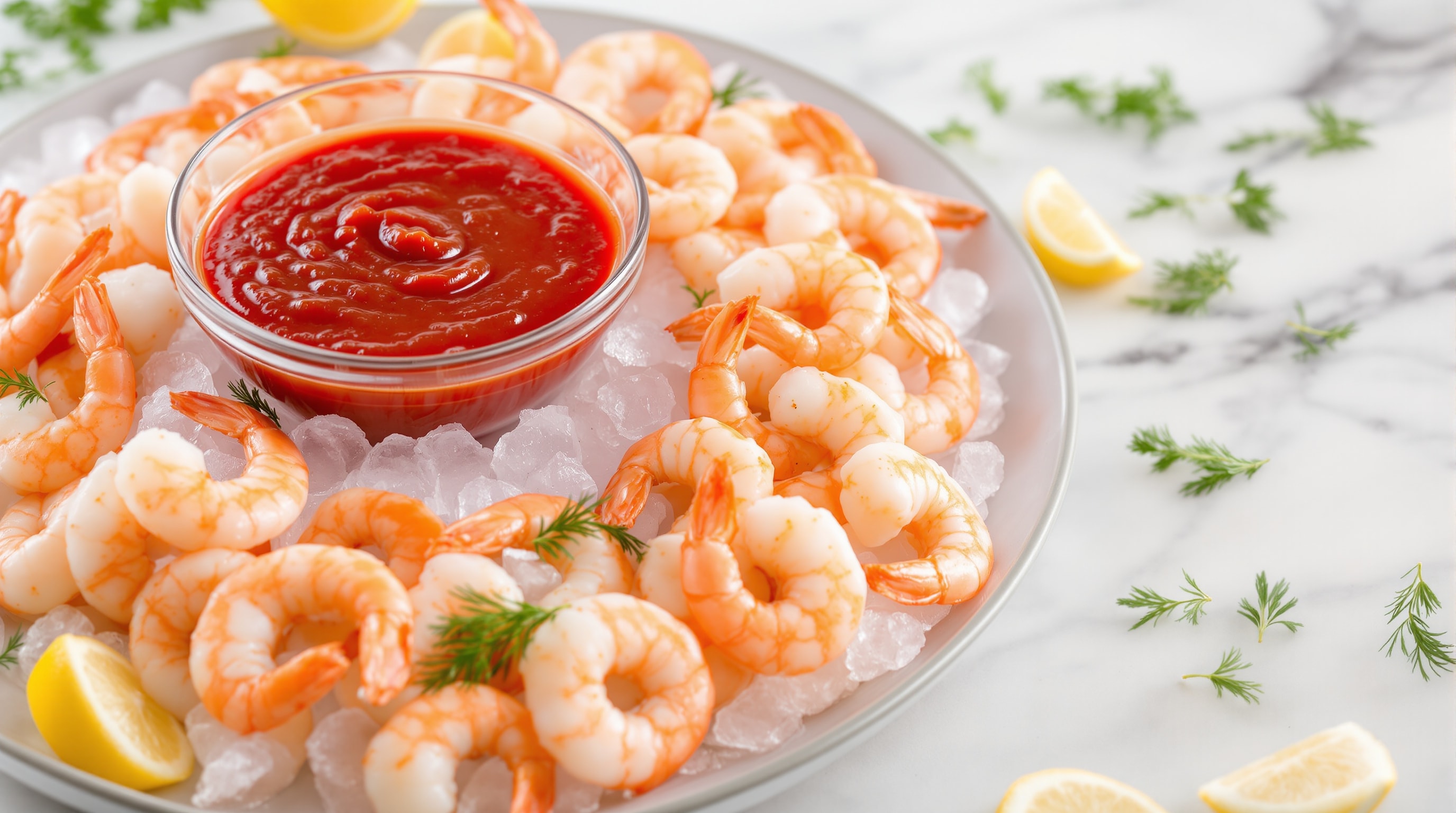
The tangy sauce this house packed with every cocktail platter was no secret, just proportion: chili sauce or ketchup sharpened with prepared horseradish to the edge of tears, a squeeze of lemon, a dash of Worcestershire, and the discipline to chill it well. Eight ounces dresses two pounds of 30/40-count shrimp — the original package math — and the same sauce earns its keep beside raw littlenecks and fried anything. Make it a day ahead; horseradish mellows into the tomato overnight and the sauce gets better the way chowder does.
The Classics
Shrimp cocktail: jumbo cooked shrimp over ice with a tangy, horseradish-forward cocktail sauce — the recipe this house bundled with every platter. Scampi: raw shrimp, garlic, butter, white wine and lemon over pasta, ready in the time the pasta takes. Bacon-wrapped shrimp: large shrimp brushed with barbecue sauce, wrapped in bacon and broiled — a recipe that will have you begging for more, exactly as the old catalog promised. All three live with full instructions in our Seafood Recipes collection.
Good Company
Shrimp anchors a raw-bar spread beautifully alongside littlenecks on the half shell and bacon-wrapped scallops, and shrimp-and-corn bisque holds an honored place on our chowders page. Frozen shrimp, for the record, deserves no apology: nearly all shrimp is frozen at the source within hours of harvest, and "fresh" shrimp at a counter is usually that same shrimp, thawed on the seller's schedule instead of yours. Buying it still frozen and thawing it the hour you cook is the fresher path in every way that counts. For sustainability and sourcing notes on wild American shrimp, NOAA's FishWatch profiles are the authoritative read.