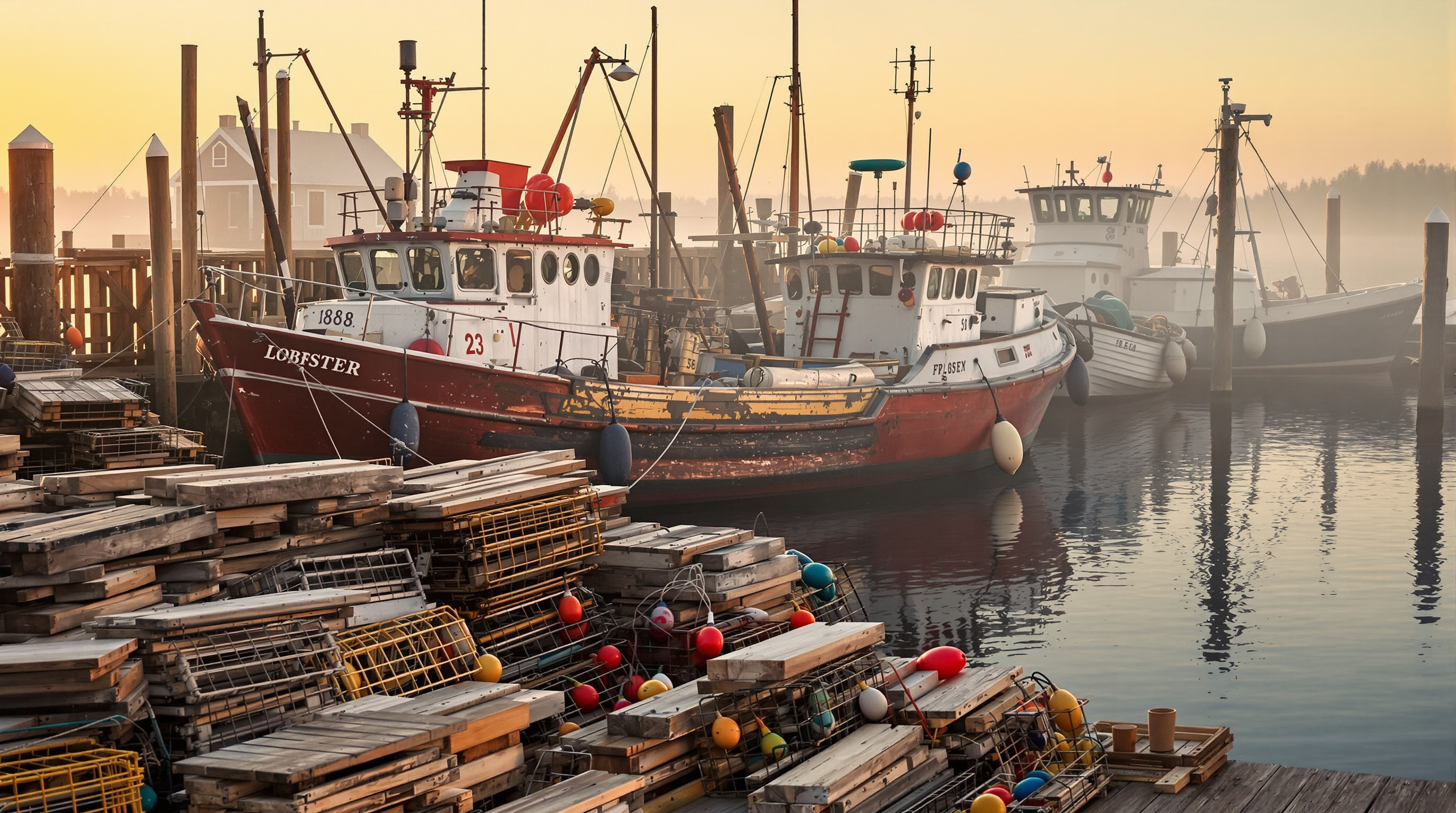
Quality Fresh Seafood
Do you know how fresh your seafood really is? How long has it ridden on a truck or sat on a supermarket shelf — and how long did it take to get from the ocean to your plate? Those questions guide this collection. Quality Fresh Seafood began as a family seafood business on Cape Cod, and these pages carry on its mission: helping people understand, choose, prepare and enjoy truly fresh New England seafood.
From the Boat to Your Table
Great seafood is a chain of small decisions made quickly. Fish that is graded as it comes off the boat, hand cut the same day, and kept at a constant chill from dock to door simply tastes different from fish that has made a week-long journey through warehouses and display cases. The best seafood operations process and deliver their catch within a six to twenty-four hour window, because every hour matters to texture and flavor. Once you have tasted fish handled that way, supermarket seafood is hard to go back to.
That standard — strict quality and temperature control from the moment the catch lands — is the thread running through everything in this guide, whether you are picking out a live lobster, planning a clambake, or deciding which chowder to make on a snowy night.
Explore the Guide
- Live Maine Lobster — sizes, hard-shell versus new-shell, and how to choose a lively one.
- New England Clambakes — the traditional bake, from rockweed to the last steamer.
- Alaskan King Crab Legs — sweet, tender legs from the Bering Sea.
- Fresh Seafood & Fillets — salmon, tuna, swordfish, haddock, sole, scrod and salt cod.
- Lobster Tails and Lobster Meat — the easiest ways to put lobster on the table.
- Scallops, Shrimp and Clams — shellfish essentials.
- Chowders & Bisques — New England's first comfort food.
- Seafood Recipes — our favorite preparations, collected over the years.
- Seafood Facts & Info — the reference library: lobster biology, clam varieties, crab, caviar and more.
Why Freshness Is Worth the Fuss
Seafood is among the most perishable proteins in the kitchen, and it rewards care like nothing else. A scallop seared the day it leaves the boat needs nothing but butter. A lobster cooked while it is still strong and lively has a sweetness no freezer can preserve. The NOAA Fisheries consumer resources are an excellent companion to this guide if you want to dig deeper into how American seafood is harvested and managed — New England's fisheries are among the best documented in the world.
The pages in our Seafood Facts & Info library cover the practical side: how to store a live lobster overnight (hint: never in fresh water), why lobsters turn red when cooked, what "littleneck" and "cherrystone" actually mean, and how to tell a hard-shell from a new-shell lobster at a glance.
Good Handling, Then Good Cooking
Freshness gets seafood to the plate at its best, but the last few minutes over the heat decide the meal. The most common way a beautiful piece of fish is spoiled is overcooking — most seafood is done the instant it turns opaque and firms gently, and a scallop or a fillet asks for less time than instinct suggests. That is the whole argument for keeping a short, trustworthy set of methods within reach rather than improvising over a hot pan. Our collected seafood recipes gather this family's favorite preparations — boiled and steamed lobster, the clambake in both its forms, seventeen ways with salmon, and the chowders — each written the way a working kitchen actually cooks, with the doneness cues that keep dinner on the right side of the line between tender and rubbery.
A Family Tradition
This site grew out of a family operation whose lobsters rested in darkened, 38-degree seawater tanks on Cape Cod, and whose relationships with boat captains up and down the coast were built across years of early mornings on the dock. You can read more on Our History page, browse letters from customers collected over the years, or visit the FAQ for answers to the questions we heard most often. However you cook tonight — steamed, baked, grilled or chowdered — we hope this guide helps you do it with confidence.
A Year on the Seafood Calendar
New England eats by the tide chart. Summer belongs to the new-shell lobsters — sweeter, easier to pick, and ninety percent of the warm-month catch — and to steamers, raw bars and beach bakes. Fall brings hard-shells fattened for travel, sea scallops at their plumpest, and the first chowder weather worth the name. Winter is the king crab and oyster season, when cold water firms everything that swims, and a Saturday pot of lobster stew justifies the entire month of January. Spring opens the rivers and the flounder grounds, and the cycle leans toward the bake again. The guides on this site note these rhythms where they matter, because the freshest choice is usually the seasonal one — the fish that didn't have to be convinced to show up.
Browse the Market
Live Maine Lobster
Sizes from tender 1.25-pounders to ten-pound giants, and how to pick a lively one.
New England Clambakes
The traditional bake from rockweed to pot liquor — beach pit or kitchen kettle.
Alaskan King Crab
Sweet, tender red king crab legs — counts, thawing and reheating without drying.
Fresh Seafood & Fillets
Salmon, tuna, swordfish, haddock, sole, scrod and the salt cod that built New England.